A sourced regional overview
Lake George history and heritage: a corridor shaped by conflict, travel, and stewardship
Understand Lake George as an Indigenous landscape, an imperial corridor, a tourism route, and a lake protected through continuing stewardship.
The short answer
Lake George’s history is larger than one fort or one battle. It begins with longstanding Indigenous relationships to the Adirondack landscape, continues through colonial conflict and transportation, and reaches the present through tourism and active lake stewardship.
Indigenous homelands and waterways
The lake belongs within a wider Adirondack borderland long known, traveled, hunted, and stewarded by multiple Indigenous peoples, including Kanien’kehá:ka (Mohawk), Oneida, and Mahican communities. These relationships overlapped and changed over time; the story does not begin with European arrival.
An imperial military corridor
During the French and Indian War, the south end of the lake became a strategic base. The 1755 Battle of Lake George, the construction of Fort William Henry, and the 1757 siege belong to related but distinct events. The aftermath of the surrender remains complex and casualty estimates vary.
From military route to visitor destination
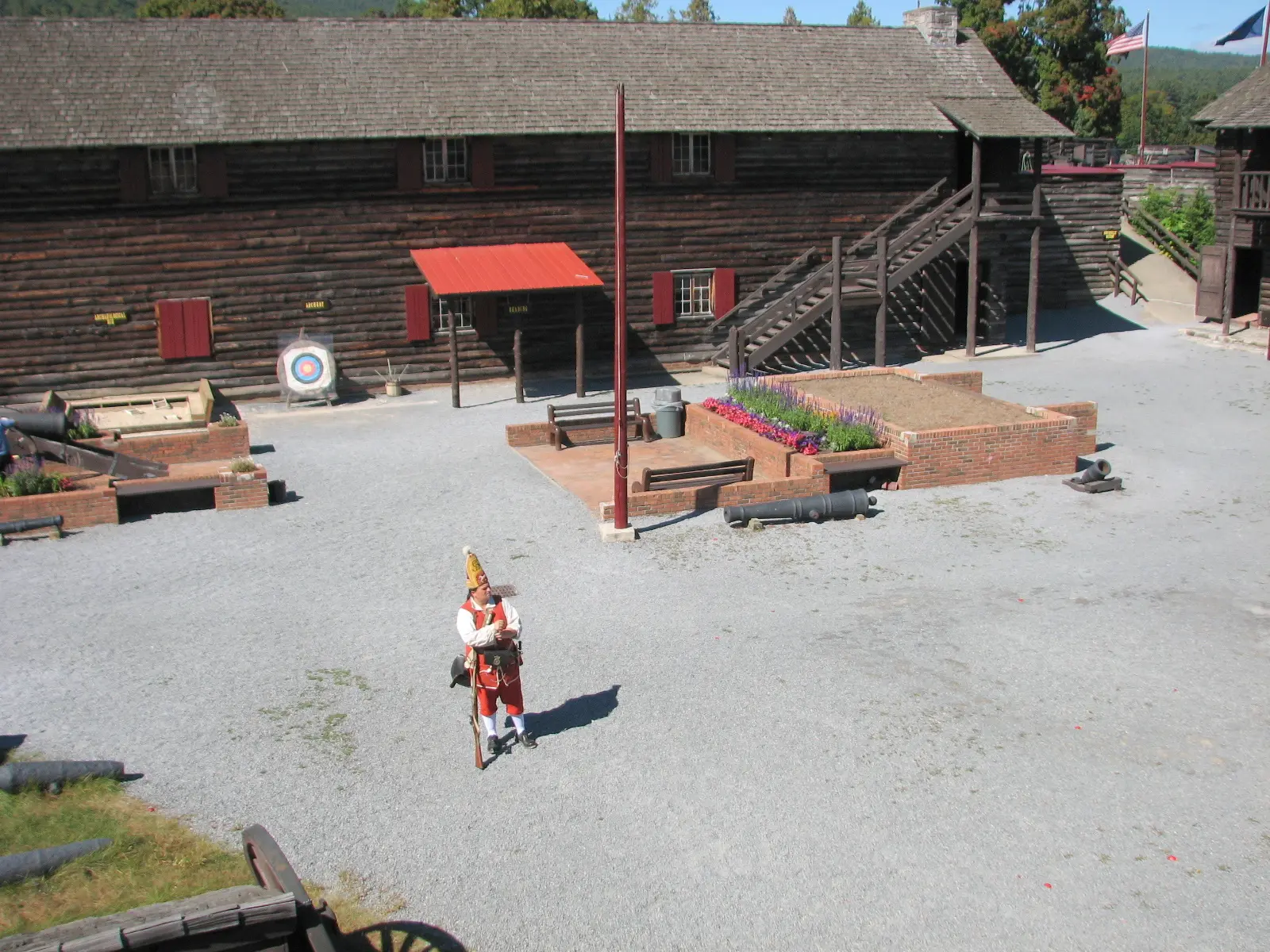
Nineteenth-century steamboats, rail connections, resorts, and seasonal work transformed the corridor into a tourism landscape. Today’s Fort William Henry is a twentieth-century reconstruction on the historic footprint, not the surviving 1755 structure.
Preservation and active stewardship
New York created Adirondack Park in 1892. Lake-focused conservation and public governance later addressed water quality, invasive species, stormwater, septic systems, stream corridors, lake levels, and boating. The lake should be described as actively protected—not untouched or permanently pristine.